arrow_back Back to Recipes
Palm Wine (Matango)

Palm Wine (Matango)

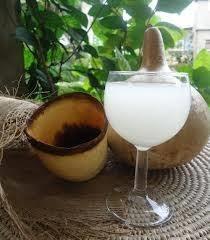
Commonly known in Cameroon as matango or mbuh, palm wine is an alcoholic drink obtained by the natural fermentation of palm tree sap. Freshly tapped it is white, milky and sweet, but as fermentation proceeds it becomes sparkling, strong and darker, more like a cider than a wine.

schedule

TOTAL TIME

30 mins

restaurant

DIFFICULTY

easy

local_fire_department

CALORIES

80 kcal

fitness_center

PROTEIN

35g

bakery_dining

CARBS

12g

receipt_long Preparation Steps

  1. 1
    Good to know: Commonly called matango or mbuh in Cameroon, palm wine is an alcoholic drink obtained by the natural fermentation of palm tree sap. It is a traditional drink in most tropical regions. In Cameroon, the sap is extracted from two main palm species: the oil palm and the raffia palm. When freshly tapped, the wine is white and milky, soft and rather sweet. Over the hours, fermentation increases, the wine becomes sparkling, strong, sometimes harsh, and takes on a darker shade. By its taste and slight effervescence, palm wine is actually closer to a cider than a wine. When very sweet, palm wine can be used fresh to flavor foods such as couscous or to soak bread in. Once quickly fermented, its use as an alcoholic drink becomes widespread. Harvest: The harvest is done mainly in the dry season and is a side activity to farming. There are three harvesting techniques:
  2. 2
    Cut off, at the top of the tree, part of the spathe (a leaf-shaped floral part), then make horizontal incisions on the stalk of the spadix, the terminal bud (a spike-shaped inflorescence), from which the sap flows toward a funnel of palm leaves, which channels the sap into a bottle. Several times a day the cut is reopened so as not to block the flow of sap. A tree can produce several liters per day. This technique allows harvesting for a month, but it is a risky activity because it requires climbing to the top of the palms several times a day, and falls are not rare (often for lack of basic safety measures). A tree treated this way will not bear fruit during the season.
  3. 3
    Make incisions in the trunk and hang containers on them.
  4. 4
    Fell a tree that is regularly re-cut. This palm wine is called "second category." Fermentation: By its speed of fermentation, palm wine is easy and inexpensive to produce: Almost as soon as it leaves the tree, it already contains 1 to 2 degrees of alcohol. Within 2 hours, the sap can reach 4 degrees and three days later up to 12 degrees. After four days, acetic fermentation takes over and it becomes too acidic to drink. It is then either used as vinegar or, most often, distilled to obtain strong alcohol. The first harvesting technique (cutting the spathe) yields a wine that contains ethanol, whereas the second contains methanol, which makes it a harmful product.

forum Commentaires (0)

Connectez-vous pour laisser un commentaire.
forum

Aucun commentaire pour le moment. Soyez le premier !

Similar Recipes