arrow_back Back to Recipes
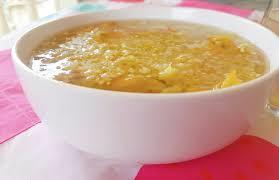
Mendim Me Zong (African Eggplant Water)

Mendim Me Zong (African Eggplant Water)

African eggplant water is highly appreciated among the "Bulu" people in the South region of Cameroon. Tradition holds that it is offered to special guests to welcome them and express friendship, so it is often drunk during long discussions or palavers. It is also given to women who have just given birth to cleanse the uterus, and is consumed as a fat-burner that reduces belly fat and helps control cholesterol levels.

schedule

TOTAL TIME

35 mins

restaurant

DIFFICULTY

hard

local_fire_department

CALORIES

40 kcal

fitness_center

PROTEIN

35g

bakery_dining

CARBS

12g

shopping_basket Ingredients 36 items

  • check_circle 4 African eggplants
  • check_circle 1 L of water
  • check_circle 100 g of chili peppers
  • check_circle 1 onion
  • check_circle 2 cloves of garlic
  • check_circle white peppercorns
  • check_circle a piece of ginger
  • check_circle pèpè: which can be replaced with clove
  • check_circle a Maggi cube (gold) or salt PREPARATION
  • check_circle Peel the onion, garlic and ginger, and cut everything into small pieces.
  • check_circle Put all the ingredients in and blend them in a food processor with a little water, to obtain a puree.
  • check_circle Once blended, you have 2 options: o put it immediately into a jar, add a little oil and keep it in the fridge. Drawback: shorter shelf life. o Put it in a small saucepan, simmer over low heat with a little oil, and thus eliminate the blending water. Advantage: long shelf life
  • check_circle 1 teaspoon of strong Dijon mustard,
  • check_circle 3 tablespoons of vinegar,
  • check_circle 2 pinches of salt,
  • check_circle 5 tablespoons of olive oil,
  • check_circle 6 turns of the pepper mill. PREPARATION
  • check_circle In a bowl, pour the vinegar and add the salt and the mustard. Mix well using a fork or a small vinaigrette whisk.
  • check_circle Add the oil gradually while mixing
  • check_circle When the sauce is well blended, add the pepper and mix. HOW TO CLEAN FISH
  • check_circle Hold the fish firmly by the head and scrape the scales from the tail toward the head with a knife
  • check_circle Keep your knife strokes short and quick. Avoid pressing too hard and cutting the fish; remember that we are trying to remove the scales and not cut into the fish.
  • check_circle Be careful and work around the fins as they can sting or pierce the skin.
  • check_circle Make sure to remove all the scales on both sides, around the chest and back fins and right up to the throat of the fish.
  • check_circle Rinse the fish with pressurized water to remove the scales already scraped off
  • check_circle Push the knife into the part of the body located between the belly fins and move up to the base of the lower jaw, then remove the guts. Clean the inside of the fish's head. Remove the gills. Now, wash the fish and rinse away all the blood and slime with cold water. HOW TO CLEAN CHICKEN
  • check_circle Plucking: fill the kitchen sink with hot tap water, dip the poultry in (for only a few minutes) and pluck it. (Don't forget to remove the layer of skin and nail on the feet)
  • check_circle Singeing: place a grill over the fire and burn off whatever small feathers remain
  • check_circle Gutting: Make an incision at the base of the neck then pull to remove the crop (the pouch you see in the photo opposite), which may be full of seeds; remove it. Open the belly as in the photo, do not pierce too deeply! Then run your fingers around the intestines to detach the organs and give a good pull to take out everything inside.
  • check_circle Trim the fat from the gizzard (the hard ball), open it and remove the food along with the skin surrounding it
  • check_circle Cut the liver while removing, without piercing it, the pouch of green liquid, retrieve the heart and wash the chicken in cold water HOW TO COOK WITHOUT AN OVEN
  • check_circle If you use a casserole pot, place something to separate the bottom of the pot from the bottom of the mold so that it does not heat up too much. Generally, you use stones on which you place the mold, or sand (effective for getting a flat surface for the mold).
  • check_circle Find a cake mold that fits inside your casserole pot HOW TO RESCUE BURNT MEAT For this, you can remove the burnt part, put your meat dish in sauce back to cook (over very low heat) for a few minutes while adding a raw potato to the mixture. Remove the vegetable when you take it off the heat; your meal should be rid of the burnt taste. HOW TO RECOGNIZE GOOD MEAT
  • check_circle The color of the meat To begin with, it is very important to pay attention to the color of the meat you are going to buy. First, the meat should be shiny. If the piece of meat is dull, that's a bad sign. Particularly with beef, the meat should be a good red. For pork, the flesh is pale pink. The fat, however, is a bright white. Normally, the rind of fresh pork is nice and supple. In the case of lamb, the color is dark pink, or pale pink, when it is still very fresh. It is exactly the same for veal, and it is recommended to choose a nicely pink piece. Finally, regarding poultry meat, the meat should not be too white. And normally, the bones should be nice and solid.
  • check_circle The appearance of the meat It is very important to know that quality meat should have flesh marbled with fat, with the exception of poultry meat. It should be noted, however, that not everyone likes fat, even though it is precisely the part of the meat that gives it a particular flavor.
  • check_circle The texture of the meat Tenderness is the ease with which a meat lets itself be sliced and chewed. It is undoubtedly one of the most decisive qualities for a meat consumer. A nicely tender and melting meat can only be a quality meat: so it's a detail to take into account. HOW TO RECOGNIZE FRESH FISH Fish are tasty, packed with benefits and dietetic. The only problem with these treasures of the sea is that they must be eaten fairly quickly after being caught. A fish that is not fresh not only tastes bad, but it can also cause you some health problems. Here are a few clues to check the freshness of a fish. Its appearance: it should be glossy, moist and protected by a light transparent film. If this film is thick or covered with blood, that's a bad sign. The fish should also not be too soft or sag when handled. Its eye should be clear and bright, never dark or opaque. Its smell: a slight iodine smell coming from it is a sign of freshness. On the other hand, a fish with a very strong or ammonia smell is to be avoided. Its gills: their color should be light red to pink. Their appearance moist, glossy, without spots or sliminess. To examine them, lift the fish's gill covers. Its firmness: just press lightly on the flesh of the fish. If the fingerprint remains, there is little chance that it is still fresh. The flesh should immediately return to its initial shape WEBOGRAPHY www.camerdish.e-monsite.com www.edition2015.com www.ingridecuisine.centerblo g.net www.cuisineaukamer.blogspo t.com www.afrik.com www.djolo.net www.cuisineaz.com www.custoafrica.blogspot.com www.bella.cm www.alicepegie.com www.cuisinedumboa.com www.lacuisinettedelaurette.co m www.blog.jangolo.cm www.750g.com www.chefsimon.com

receipt_long Preparation Steps

  1. 1
    Boil the eggplants in the liter of water for 10 to 20 minutes.
  2. 2
    Turn off the heat and let cool; the water should be lukewarm.
  3. 3
    Mash the eggplant in the water using a spoon or a spatula.
  4. 4
    Let everything macerate.
  5. 5
    Serve lukewarm, strained or not according to your preference.

forum Commentaires (0)

Connectez-vous pour laisser un commentaire.
forum

Aucun commentaire pour le moment. Soyez le premier !

Similar Recipes